

Our Departments & Units
Departments and Units
The Following Sections Are Available in the Library
Readers' Services Section
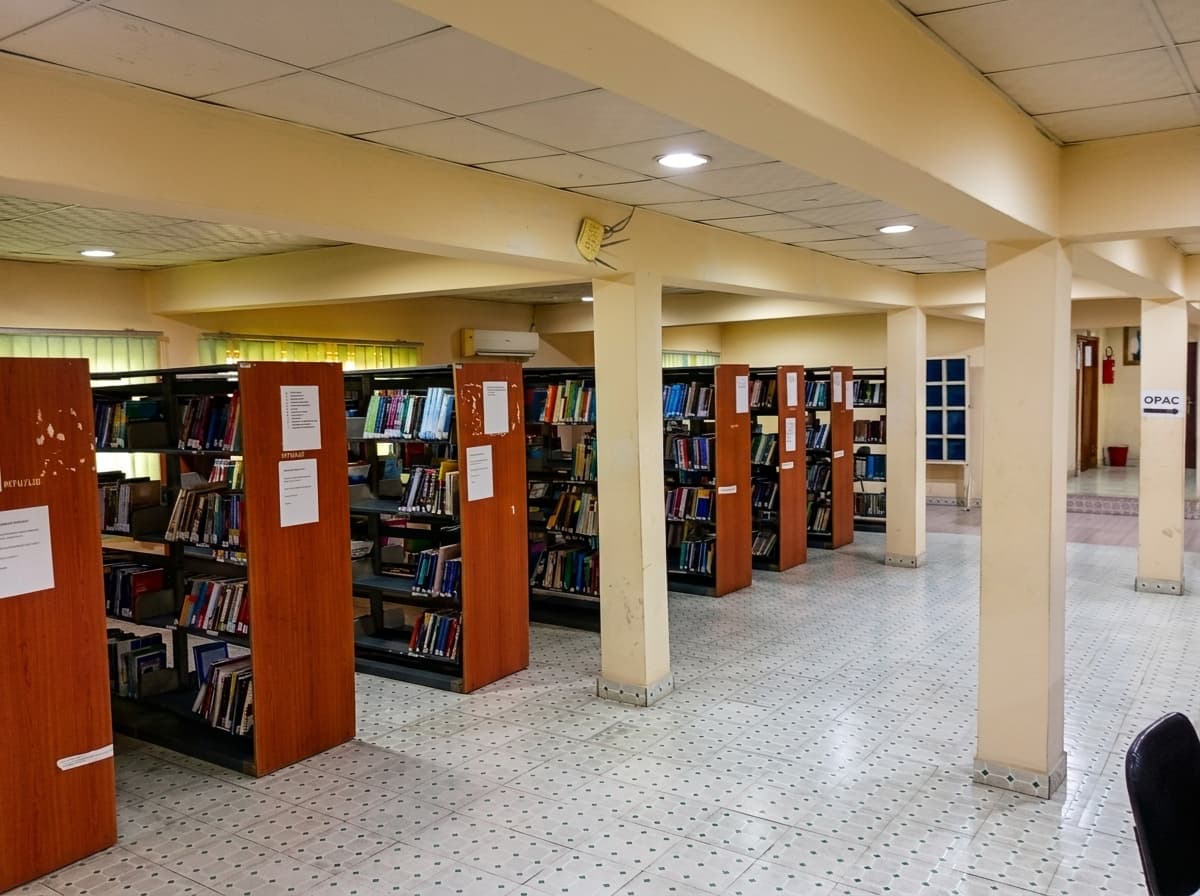
The Readers' Services Section is the image maker of the Library and the primary point of contact for library patrons. It comprises the Circulation Unit and the Reserved Book Unit, and oversees the general reading area as well as the Open Access Collection. The Readers' Services Librarian, Library Officers, and Library Assistants are always on hand to assist users.
Units / Sections
Key Functions & Responsibilities
- Registration of library users and issuance of library cards.
- Charging and discharging of library books and other materials.
- Overseeing the general reading area and the Open Access Collection.
- Managing the Reserved Book Unit for high-demand titles.
Reference Section
The Reference Section provides reference services to staff, students, and researchers. It is headed by a Reference Librarian whose primary duty is to assist readers in locating information from Library resources for study, research, and teaching.
Key Functions & Responsibilities
- Providing answers to specific research and reference enquiries.
- Instructing readers on the use of the Library, catalogues, abstracts, indexes, and local and foreign university calendars.
- Guiding users in locating relevant materials within the Library.
- Conducting extensive literature searches for users with research or project proposals.
- Providing inter-library services by issuing Letters of Introduction to registered members who need to consult other libraries for materials not held at MTU.
Serials Section
The Serials Section holds current and back issues of both foreign and local journals, magazines, and newspapers, as well as special collections including government publications, Inaugural Lecture Series, rare books, and other significant materials.
Key Functions & Responsibilities
- Maintaining current and back issues of foreign and local journals, magazines, and newspapers.
- Housing special collections such as government publications, Inaugural Lecture Series, and rare books.
- Verifying availability of serial materials via the Kardex before consultation.
- Registering users on the Serials Register before they consult any serial material.
- Collecting library identification cards from users during consultation and returning them upon sign-off.
E-Library Section
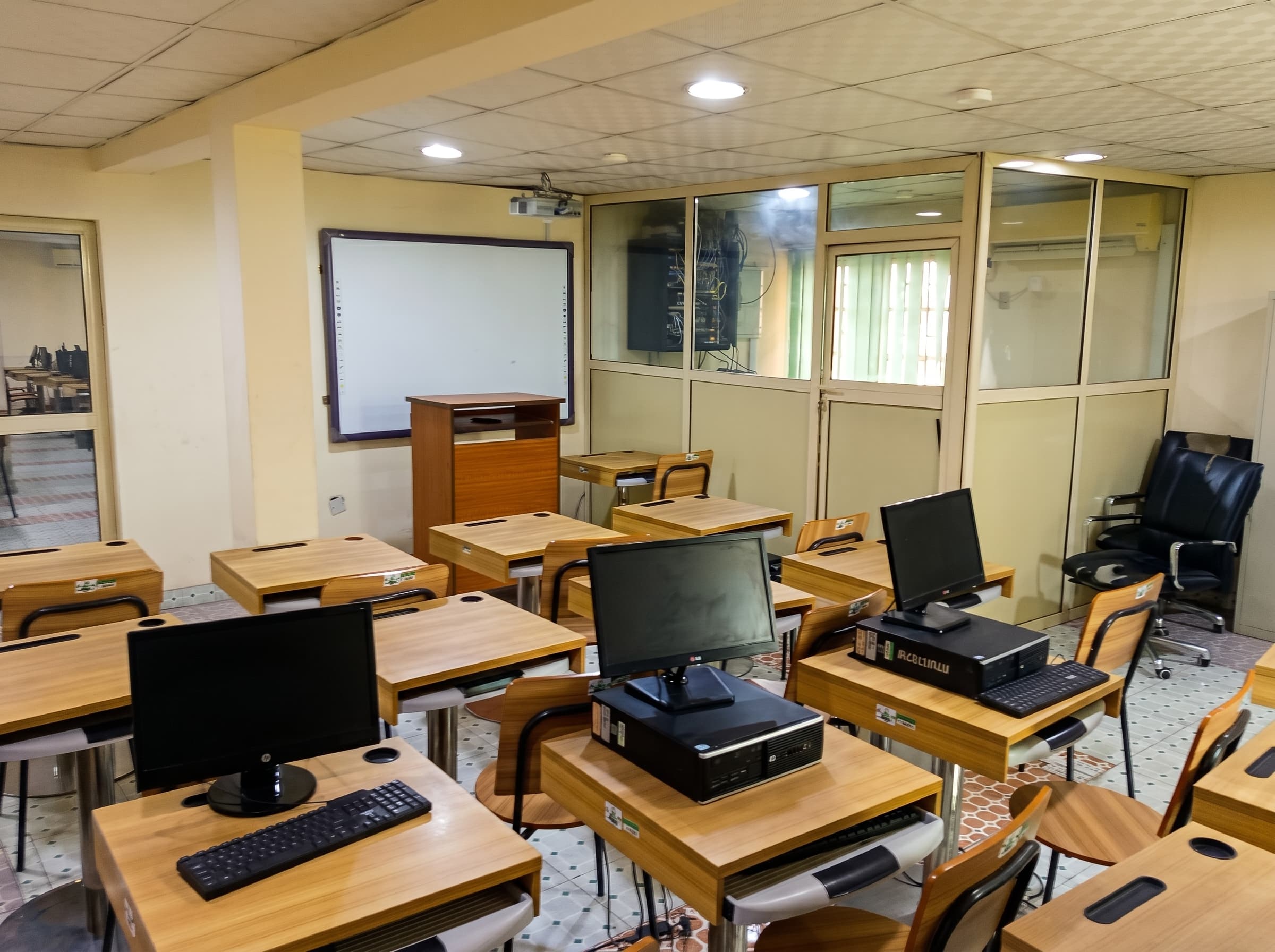
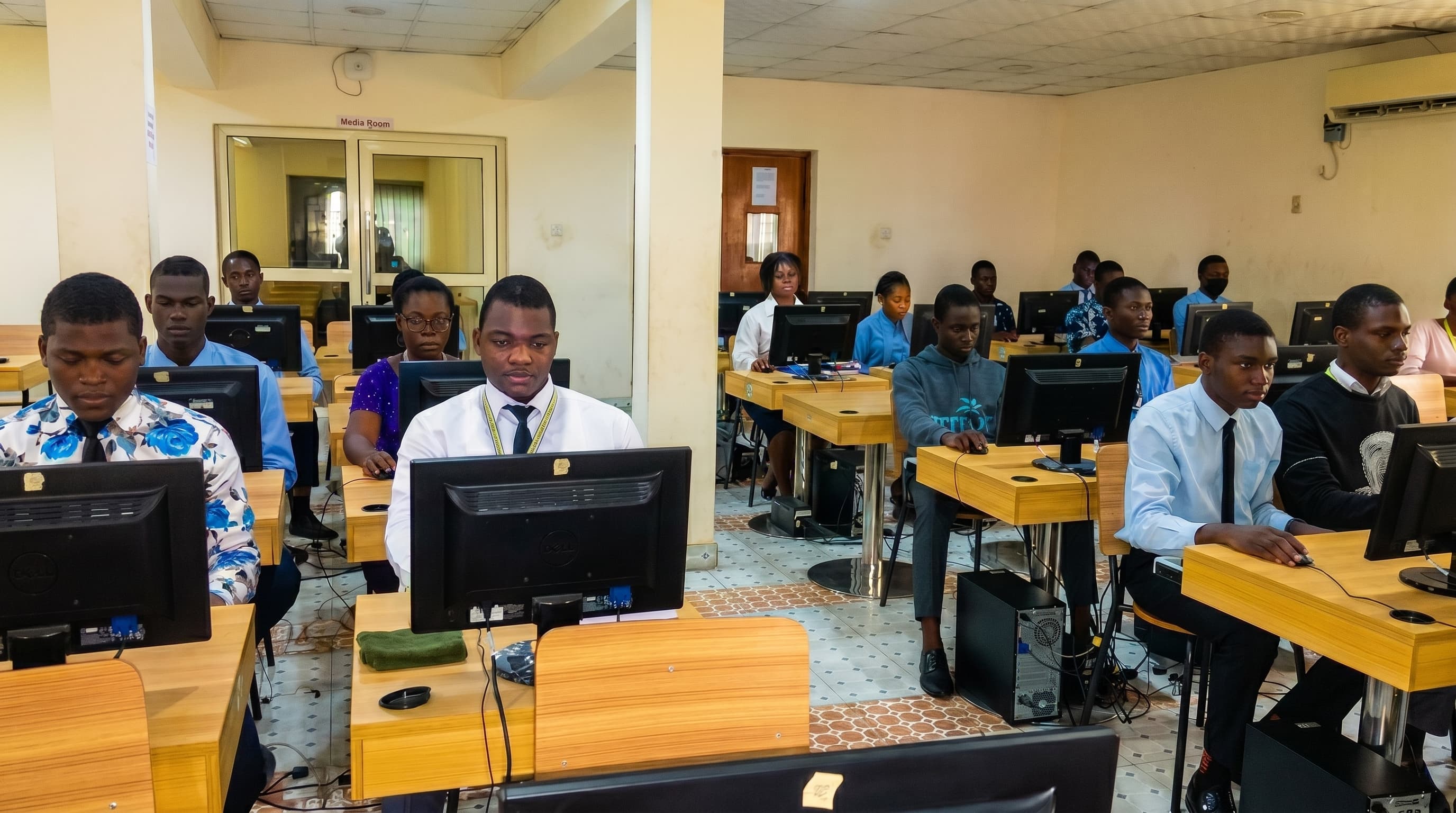
Located on the first floor of the Library, the E-Library Section provides users with access to a wide range of electronic resources — including online repositories, databases, and e-journal sites — to support academic research. The facility houses approximately 100 computers, 25 of which are reserved exclusively for lecturers.
Key Functions & Responsibilities
- Providing access to electronic resources including online repositories, databases, and e-journal sites.
- Supporting online research with immediate access to large databases across various academic fields.
- Maintaining 100 computer workstations, with 25 reserved for academic staff.
- Enabling researchers to explore and follow up on information leads quickly and efficiently.
Acquisitions Section
The Acquisitions Section is responsible for Library stock development. It works closely with academic staff and students to identify and procure materials that support the University's teaching and research needs.
Key Functions & Responsibilities
- Developing and managing the Library's collection across all disciplines.
- Seeking recommendations for new titles from academic staff and students.
- Forwarding recommended titles to the Acquisition Librarian for review and approval by the University Librarian.
- Coordinating the procurement of approved books, journals, and other resources.
Cataloguing Section
The Cataloguing Section prepares all newly acquired library materials for use by processing, cataloguing, and classifying them according to standard library schemes. This section is restricted to library staff only.
Key Functions & Responsibilities
- Processing newly acquired materials and making them shelf-ready for library patrons.
- Cataloguing and classifying resources using recognised library classification standards.
- Maintaining the library catalogue to ensure accurate and efficient resource retrieval.
- This section is out of bounds to all non-library staff.